









A theatre group is soon to bring to the stage an effervescent rendition of the Ramayana’s Uttara Kanda, putting the spotlight on the much-revered and discussed queen and heroine, Sita

(Left) Aman Gupta as Rama; Preeta Mathur Thakur as Sita
The final chapter of the epic Ramayana has long been a subject of much debate among audiences and scholars alike. Extremities dominate popular opinion — to contemporary audiences, Rama may be either the epitome of perfection or a figure representing detachment and injustice. This month and the next, Ank Theatre Group, soon to celebrate its 49th anniversary, will set fire to the theatre with a staging of renowned playwright Agha Hashar Kashmiri’s 1928 play Sita Banbas.

Actors rehearse a scene set in Lord Rama’s Durbar
“Kashmiri’s play is all about retelling Sita’s journey and who she was,” says Atul Tiwari, play director. “The script encompasses Sita’s exile, how she raises Luv and Kush in Rishi Valmiki’s ashram, and how the encounter between the boys and Rama’s army leads to an intense and climactic end.” He adds, “The play isn’t a criticism of Rama, but shows the complexity of Rama and Sita’s relationship.”

A moment from the rehearsal of the dhobi and dhoban, often overlooked characters, but included in Kashmiri’s play
Tiwari’s approach to the play is inspired by Parsi theatre, with visually-appealing backgrounds, painted curtains, props and rich, dramatic dialogue. “It doesn’t emulate Parsi Theatre, but borrows elements from it. For example, the curtains won’t fall like they do traditionally, we’ll use them differently,” Tiwari explains. “Machines will be used as props, such as for Rama’s chariot or in the horse capture scene by Luv-Kush.”

Ravish Kumar (kneeling) as Durmukh, Rama’s army commander, rehearses a scene with Aman Gupta as Rama
Tiwari shares that despite Kashmiri’s powerful, Shakespearean writing, Sita Banbas has not been staged in Mumbai before. Hence, it is perfect to celebrate nearly 50 years of Ank Theatre’s work. Tiwari shares, “What I want audiences to take away from this is, to ask questions — not just of Rama, but everyone, Sita, Lakshmana, and Valmiki included. There’s a scene where Luv and Kush ask Valmiki why [in his narration], for instance, he criticises Kaikeyi, for making a terrible misjudgement, but doesn’t apply a similar critique to Rama for banishing Sita. That’s a parallel to what audiences must do: Ask questions and form their own opinions.”

Atul Tiwari instructs cast members. Pics Courtesy/Mindworkz; Wikipedia
We also caught up with producer and actor Preeta Mathur Thakur, who plays Sita, about the challenges so far with the play. “Finding the right actors for such [revered] characters has been a challenge, considering all the opportunities actors have in Mumbai. Such a story demands complete commitment to the roles,” she says. “It’s tough to manage a team of 30 to 35 people, including actors, musicians, singers and those working behind the scenes. But the logistics can and will be managed, as we’re determined to tell this story. Importantly, others should be just as passionate about this retelling; and I’m happy to say that the entire team is just as impassioned as us.”
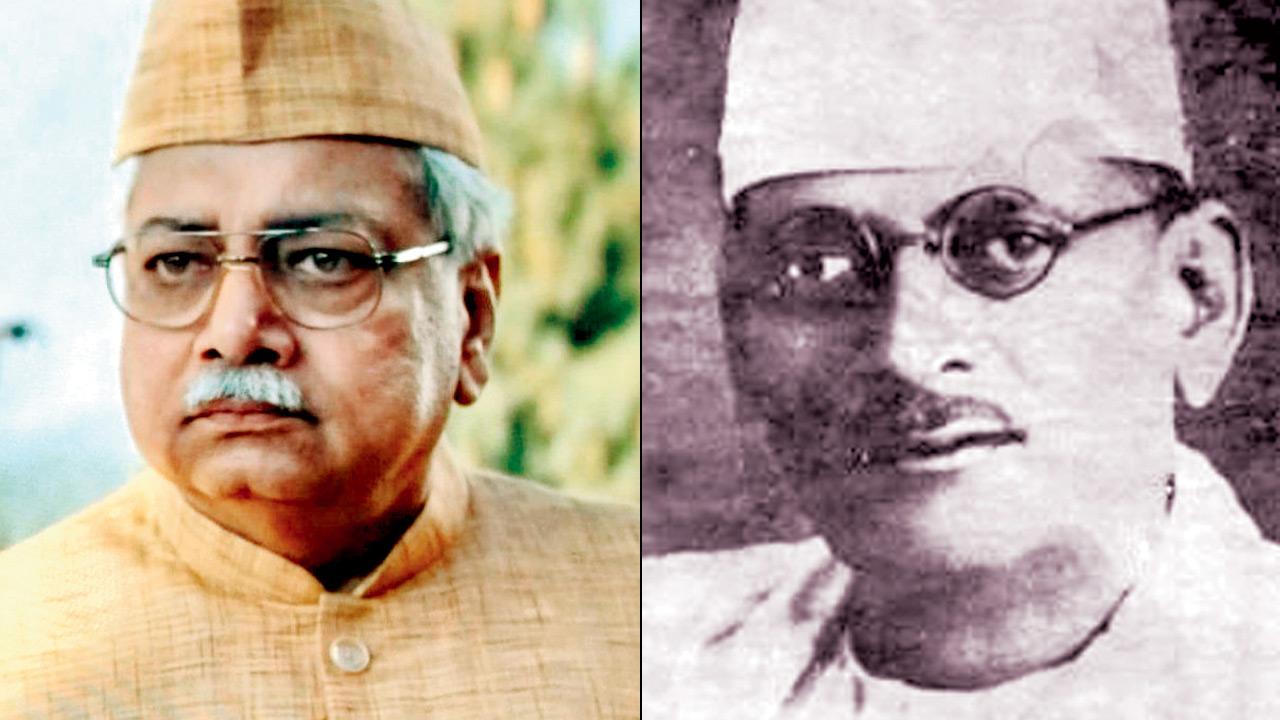
Atul Tiwari. Pic courtesy/Atul Tiwari (right) Agha Hashar Kashmiri
What do Sita and Rama represent for them, we ask. “Sita embodies sacrifice. Her exile is transformative; we see how she becomes her own woman. Simultaneously, the script shows Rama’s misery, something often overlooked; it asks questions of fairness, and of the dilemmas he faces, despite being the epitome of ideal,” Mathur shares. “With Sita’s journey, we want to remind audiences that in Bharat, the ultimate goal is mukti (liberation), carefully thought-out by Sita, who achieves it with her own will.”
On September 30; October 1 (premiere shows)
Time 6 pm and 9 pm at Prithvi Theatre, Janki Kutir, Juhu.
Log on to in.bookmyshow.com
Entry Rs 200 onwards
 Subscribe today by clicking the link and stay updated with the latest news!" Click here!


